Pinterest: https://www.pinterest.co.uk/abirchdesign/
To begin gathering research and information for my project I turned to exploring trends of wallpaper styles from the 50s/60s/70s/80s/90s as well as current designs. Using Pinterest I came across a number of designers who I felt inspired by and who’s work visually expressed the style trends of their era. To begin my sketchbook I created a concept board including aspects of design from each of the six artists I have explored.
Psychedelic Art is the first trend I have explored. Most commonly used and introduced into wallpaper designs during the 1950s, this was a popular time when home decor was becoming bolder, brighter and overall adding more colours to homes. Not only were patterns commonly seen on wallpaper designs, furniture and clothing, they were also being introduced to flooring.
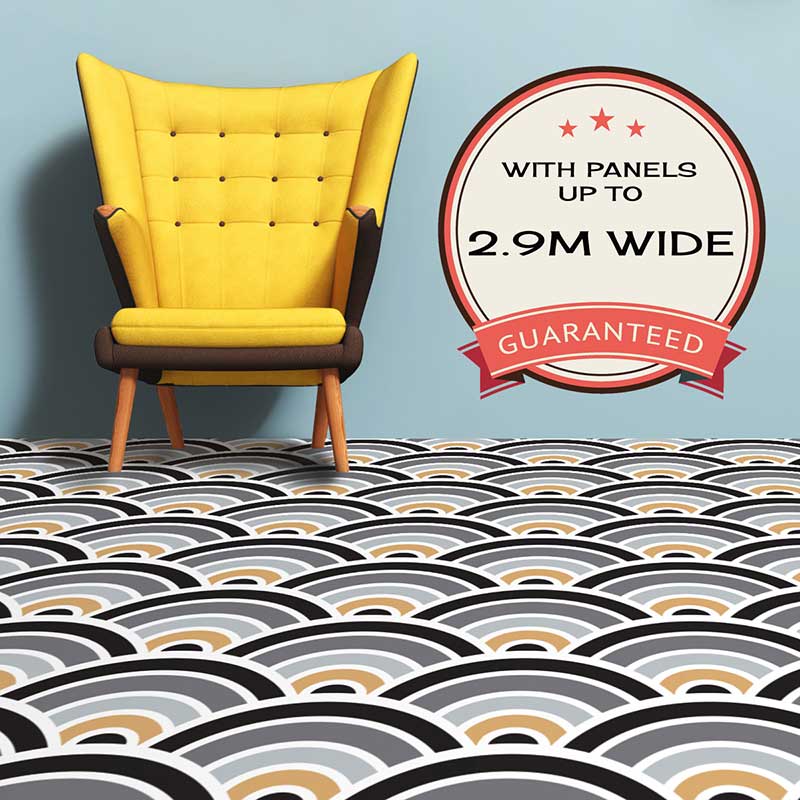
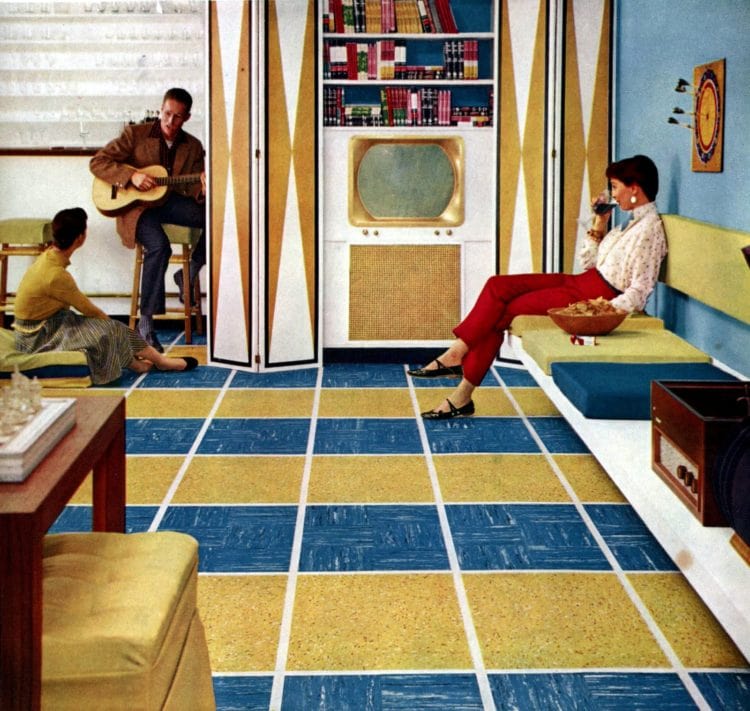
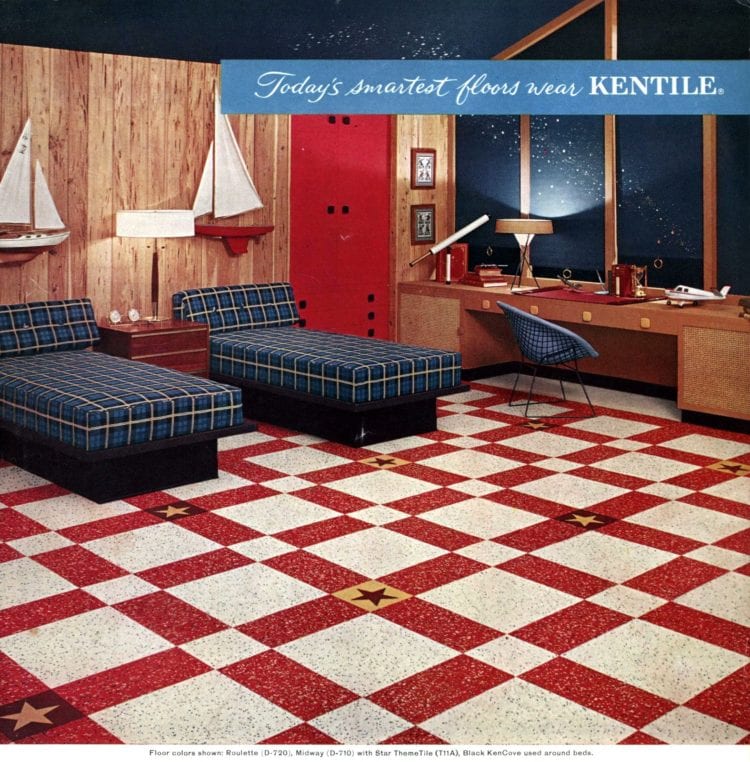
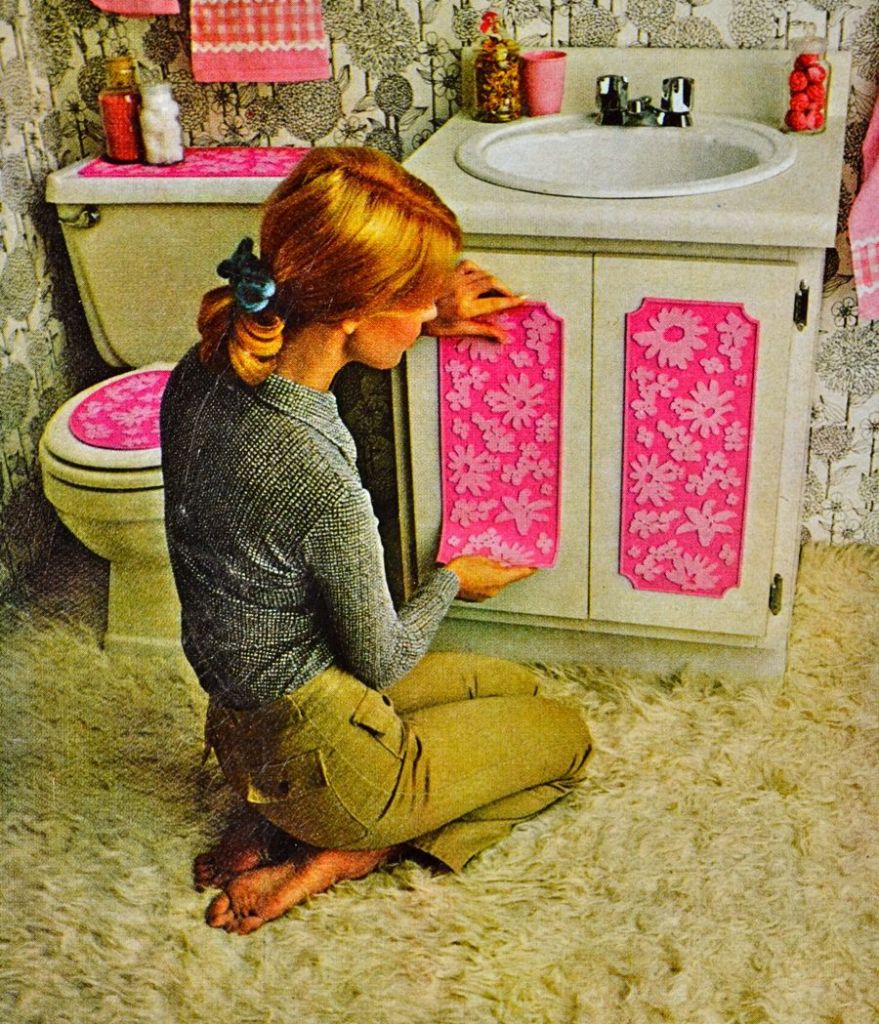
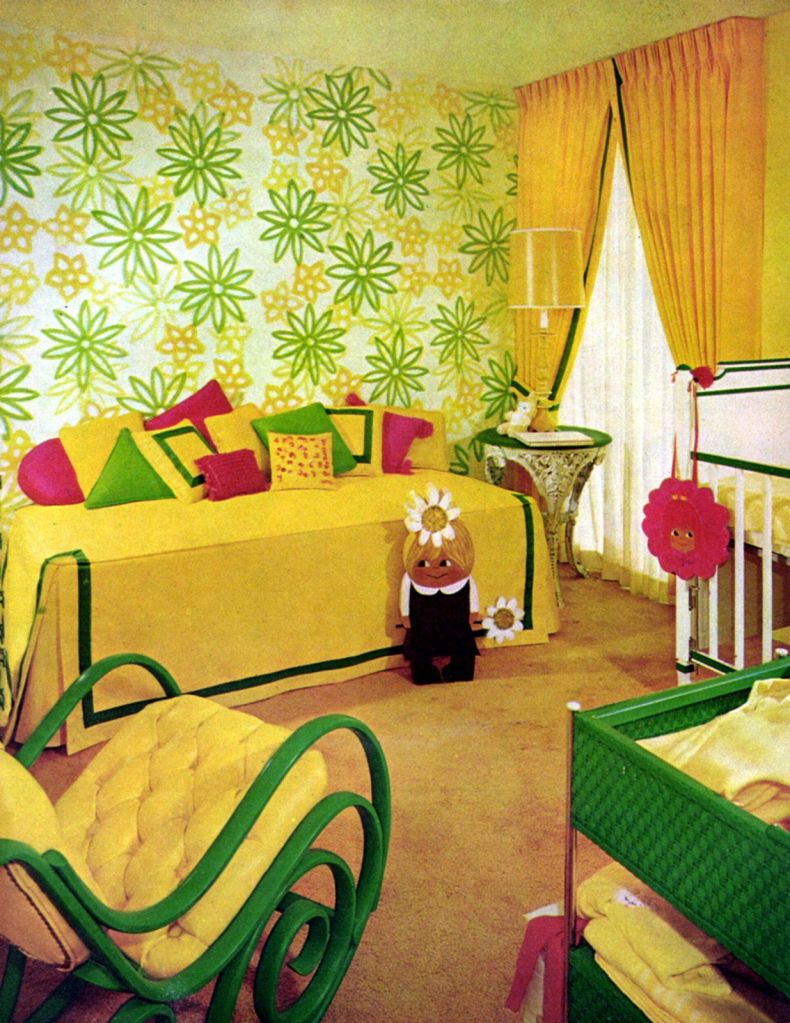
The styles of patterns used were all bright with abstract designs, often with science-inspired imagery such as calyxes, starbursts, atoms etc. Pretty sprigged florals set against polka dots or stripes in sugary pinks, reds, blues and yellows were often seen in other rooms of the house or even in the same room, as clashing was very much embraced.
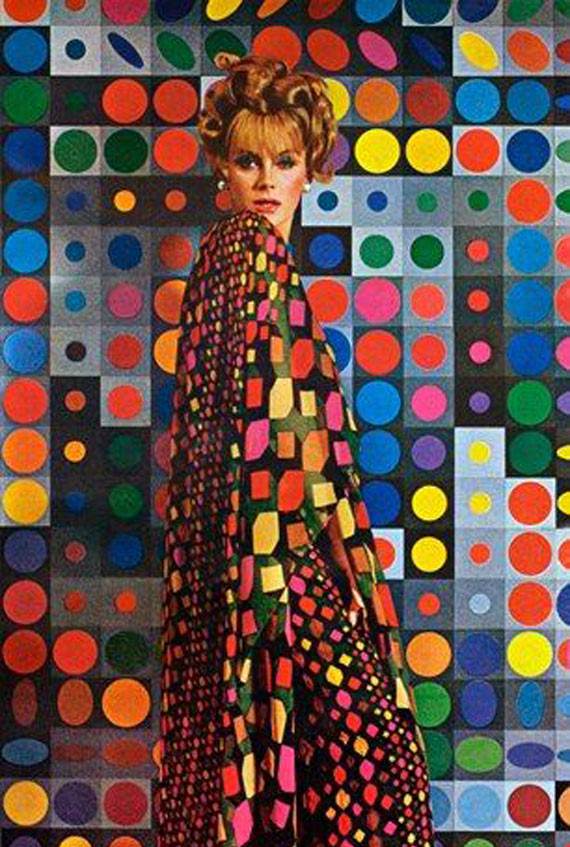
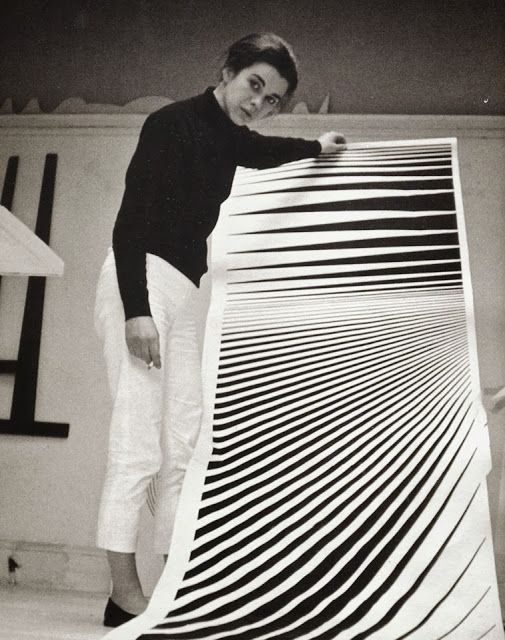
Op Art was a major development of painting in the 1960s that used geometric forms to create optical effects. Bridget Riley’s work very much influenced designers to incorporate aspects of the art movement into their work, some stuck to the original style of strictly black and white tones, but as home decor in the 60s was still very bright and colourful, many designers took inspiration from the simplicity of the geometric shapes and incorporated lots of different colours in them as seen in the first photo below.
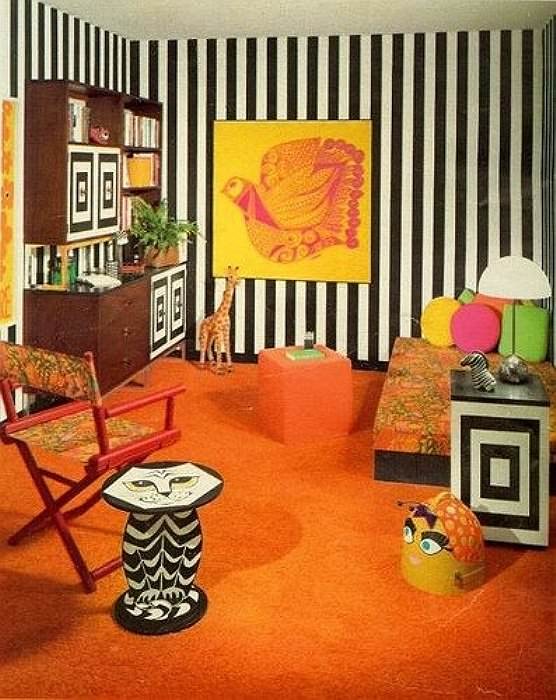
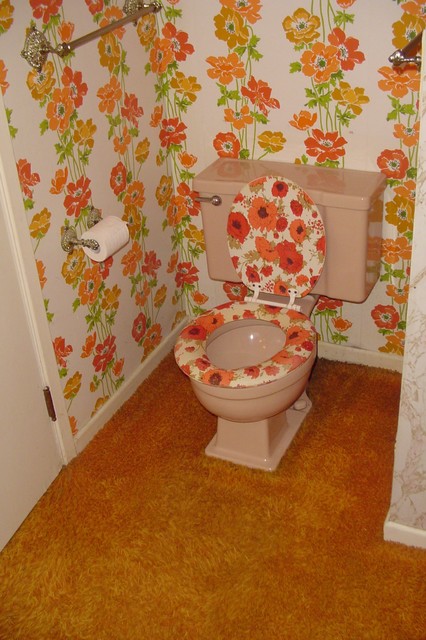
Floral, Flower power was a slogan used during the late 1960s and early 1970s as a symbol of passive resistance and non-violence ideology. Hippies embraced the symbolism by dressing in clothing with embroidered flowers and vibrant colours, wearing flowers in their hair, and distributing flowers to the public, becoming known as flower children. This movement not only affected the fashion of the 70s, but also hugely influenced home decor and wallpaper designs, to express the symbolism towards flower power.
Minimalism, A trend which I am very keen on, as in interior design I find lots of patterns on walls and furniture doesn’t allow me to feel relaxed or calm. Minimalist architecture became popular in the late 1980s in London and New York, where architects and fashion designers worked together in the boutiques to achieve simplicity, using white elements, cold lighting, large space with minimum objects and furniture. From this people started to declutter their homes and use a simple colour palette when decorating. Wallpapers were either kept to very minimal designs, or not used at all in replacement to simple paint.
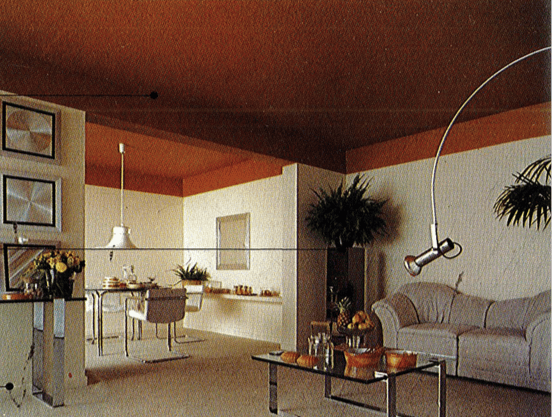
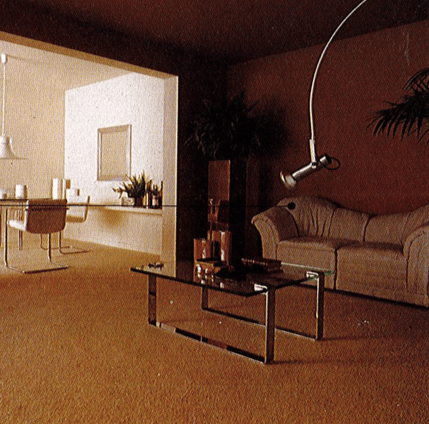
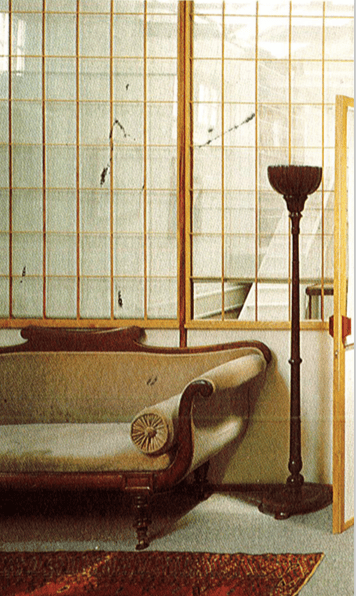
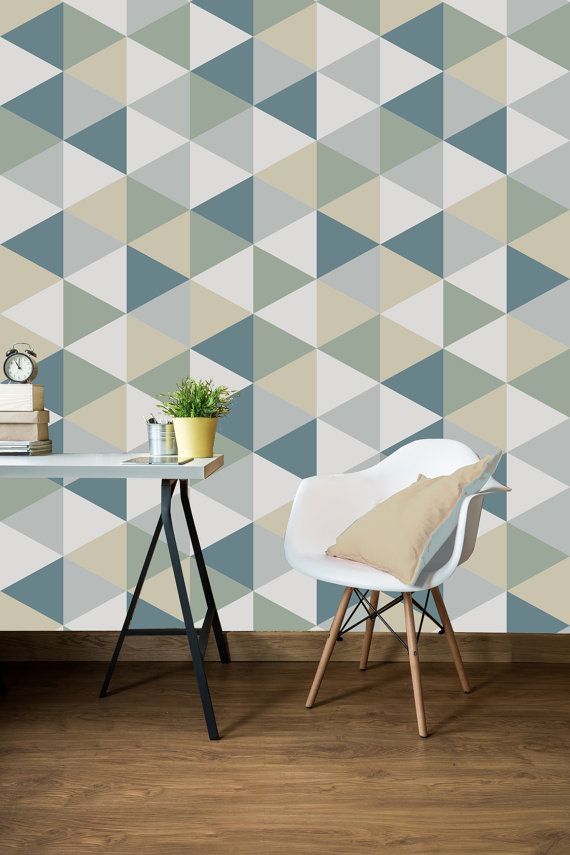
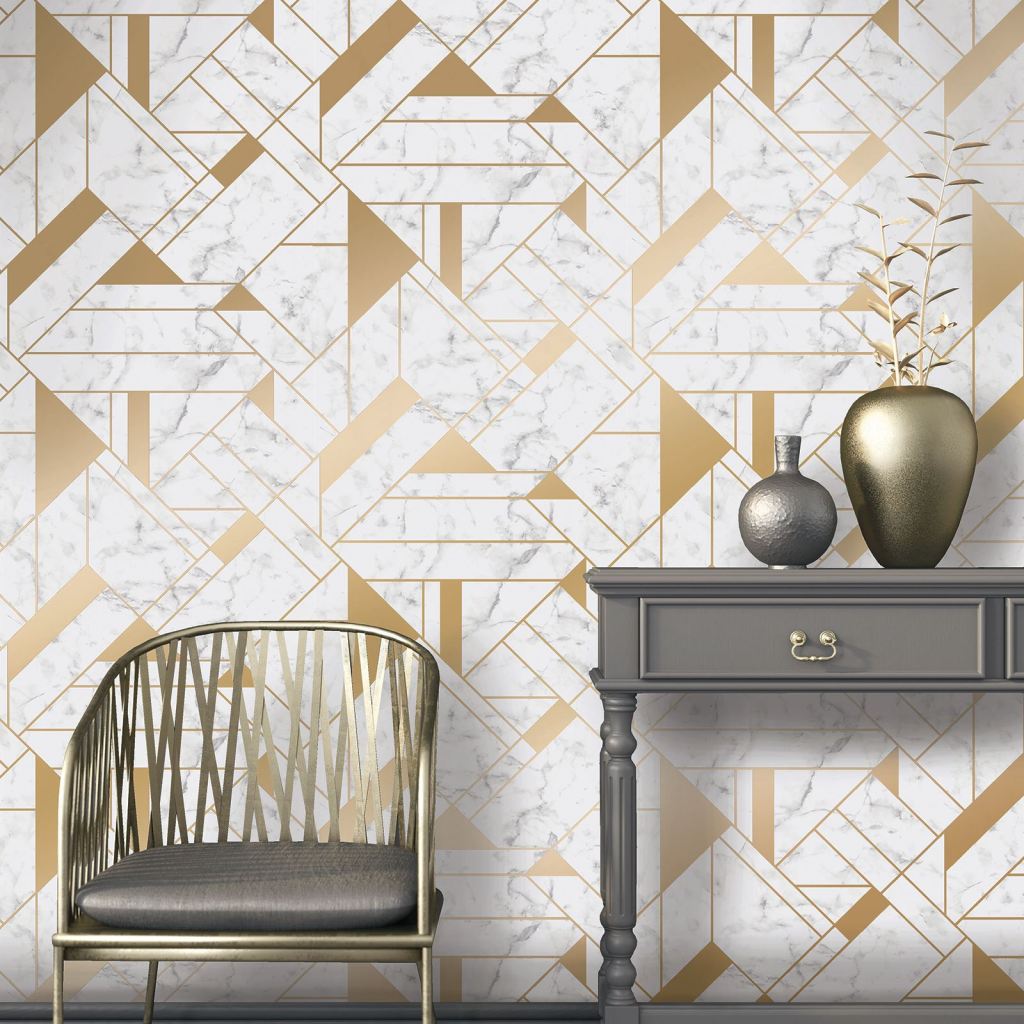
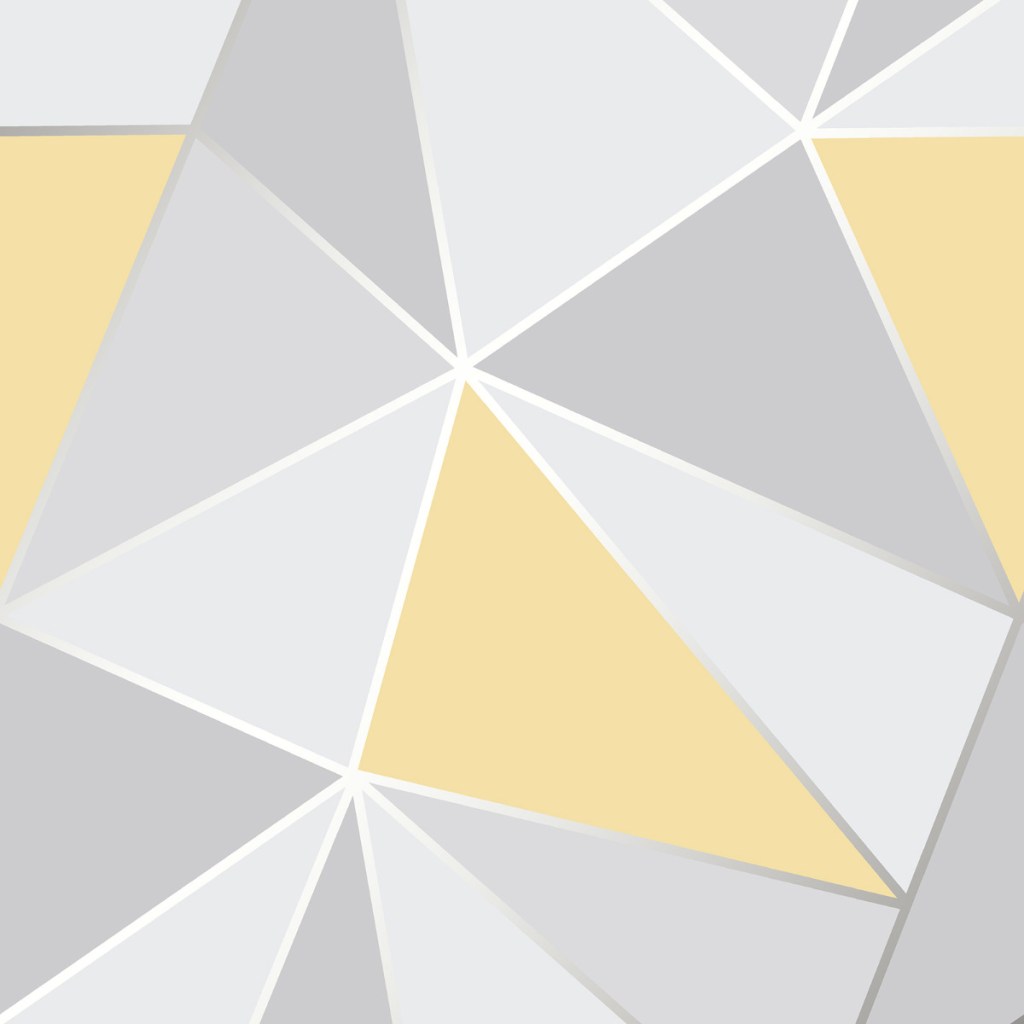
Contemporary Wallpaper, In terms of gathering information for current wallpaper trends, I bought a few interior design magazines to give me inspiration for choosing two styles to collect research on. The first style I chose to explore was Geometric, as this can be used in a minimalist style, and enhanced with colour and multiple repeats to add character to a room. A popular style seen not only on wallpaper, but also textiles for interiors.
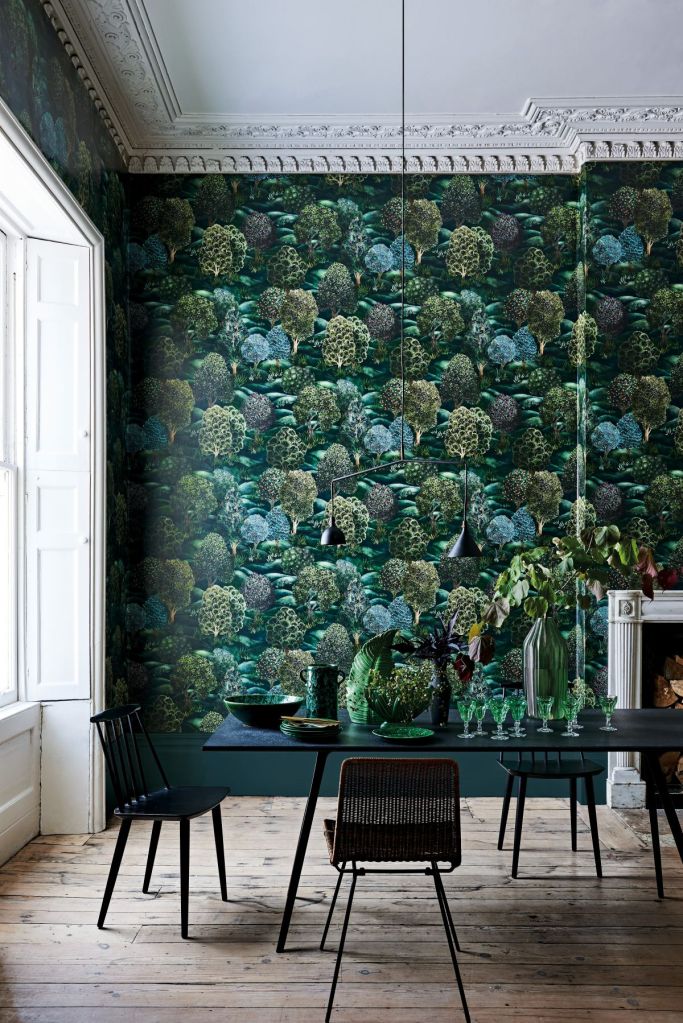
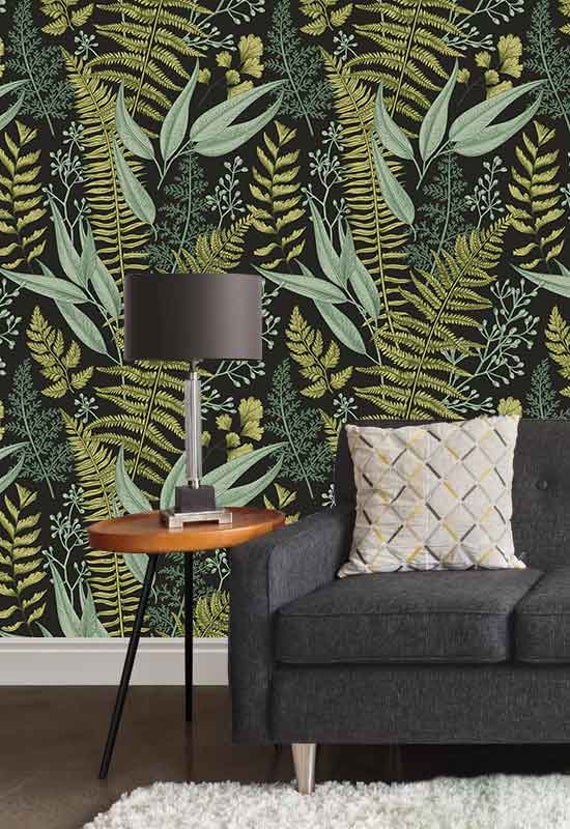
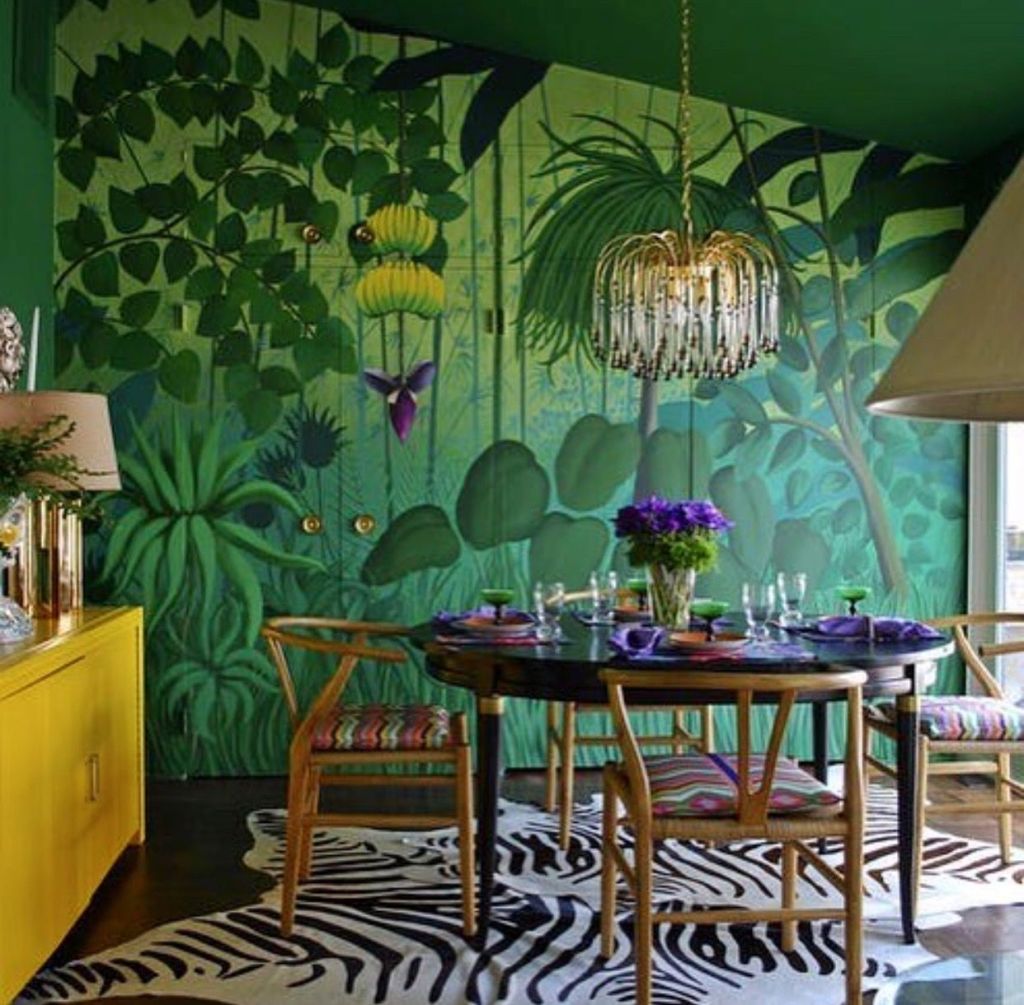
The second style I have chosen to explore is Botanical Wallpaper, very similar to floral it incorporates shapes and colour found in the outdoors. I find this style of wallpaper makes rooms look elegant and fresh, and is definitely my favourite style of wallpaper designs I have researched so far. To create some signature designs in response, I have used a flower press to shrink and flatten some interesting plants I found in my garden. With some of the leftover plants not used, I have let them set in hot water and vinegar for an hour to create some natural dyes, which can be used to paint or dye fabrics/ paper with, a cheap and simple way of being sustainable.